NOTHING  ·  FREE TIER SESSION 00:00 — FIRST HOUR FREE

EST. 2016 · SCHEDULED DELIVERY 2030 · SHIPPING AHEAD OF TIME

Nothing.

“You’ll own nothing.” The second half of the sentence was a question all along: will you be happy?

This website is not free — see plans below No cookies — we simply assume Scroll to accept terms
Our correspondent · licensed, not owned

Nothing / 01 — Checkout

This website is not free.

Nothing is, anymore. Choose a plan to continue scrolling. (Scrolling continues either way — that’s the free trial.)

Choose your plan

Rent

$9.99/mo

You own nothing. Access to your own life, streamed in standard definition.

Most popular

Rent Plus

$24.99/mo

You own nothing, faster. Ads removed from the things you already paid for.

Lifetime

1 payment of everything

A lifetime subscription. The license’s lifetime — not yours. See §2.A.

Cancel anytime*. *“Anytime” is a premium feature. Prices satirical; trajectory less so.

Nothing / 02 — Origin story

The future arrived as a press release

Before it was a meme, it was a scenario. Before it was a scenario, it was a pitch.

FILED · WORLD ECONOMIC FORUM · NOV 2016 / AUTHOR: IDA AUKEN, MP (DENMARK)

In 2016, the World Economic Forum published a set of predictions for 2030. One came from Danish politician Ida Auken, and its original title didn’t hedge: “Welcome to 2030. I own nothing, have no privacy, and life has never been better.” The line that escaped the essay — you’ll own nothing, and you’ll be happy — became shorthand for an entire economic mood.

Auken later stressed it was a scenario meant to start a discussion, not a utopia she was ordering for the rest of us. Fair enough. But the discussion-starter had a prequel: in 2014 she wrote about a startup concept that would let subscribers lease every household appliance they “owned,” with upgrades and repairs delivered as a service. The washing machine as a monthly relationship.

“Shopping? I can’t really remember what that is.” — from the 2030 scenario, 2016

As we barrel toward 2030, the scenario reads less like provocation and more like a product roadmap. Nobody legislated it. It simply shipped — feature by feature, terms-of-service update by terms-of-service update. What follows is the changelog.

Nothing / 03 — The itemized present

Keep the receipt. It’s all you get to keep.

The trajectory, rung up as line items. Ranges are ranges; estimates are estimates. Sources at the bottom of the page.

STORE #2030 · REGISTER 01 · 19-09-2026 16:31
CASHIER: THE INVISIBLE HAND

Economic pressures aisle 1 — the squeeze

Subscriptions, share of household bills5–15%
Car payment inflation, 6 yrs+30–50%
U.S. renters paying >30% of income≈ 1 in 2
↳ official designation: “cost-burdened”
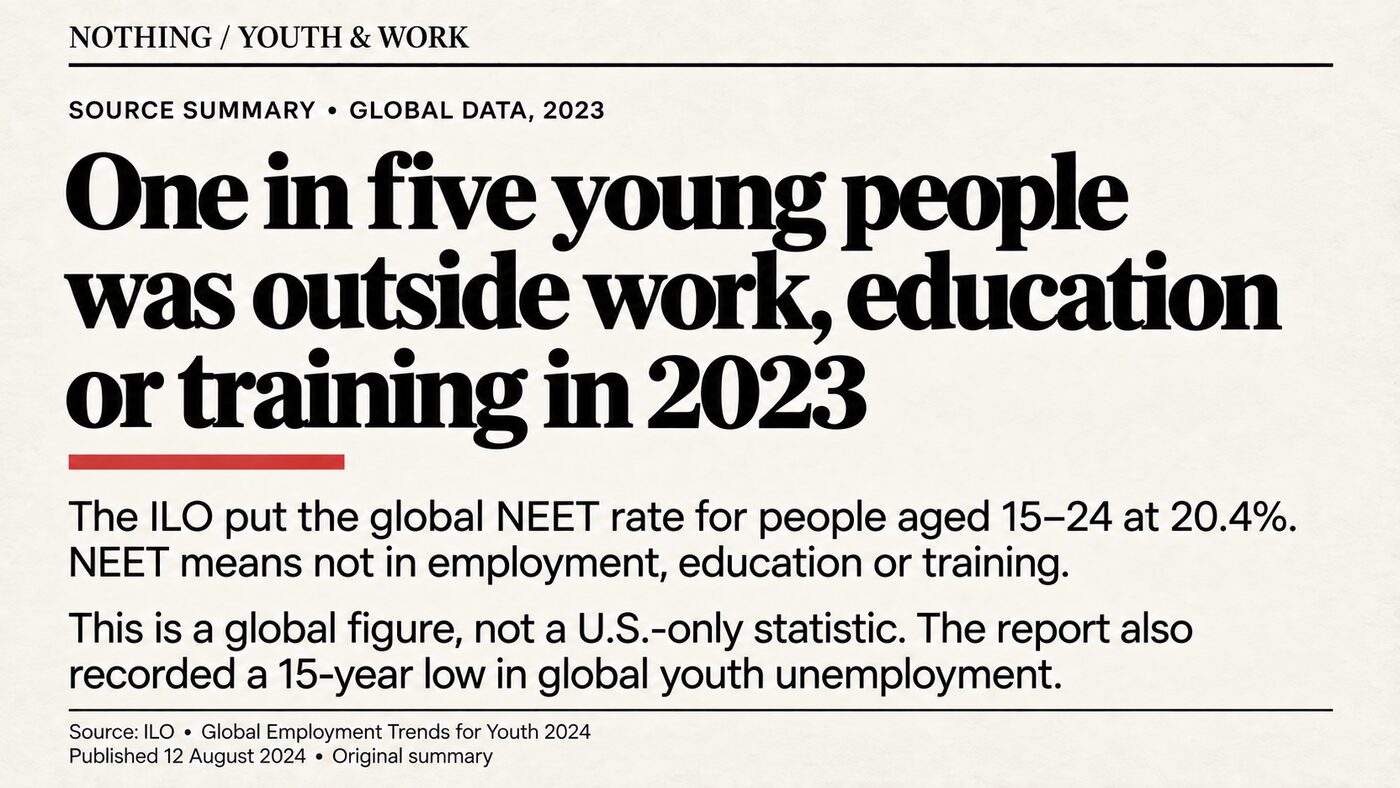
Gen Z not in work, school, or training10–20%
USD purchasing power since COVID−25%
Taxpayer money lost to fraud, per day (est.)$0.64–1.43B
Welfare, share of tax spend (US/UK)20–30%
Mortgage term, proposed fix50 yrs
↳ affordability via never finishing

Surveillance & control aisle 2 — loss prevention

U.K. arrests over “offensive” speech, daily≈ 33
U.S. gov’t data requests to Big Tech, 10 yrs+600%
Same, EU (some cases)+1,000%
Plate-reader cameras installed, 6 yrs80,000+
↳ newer units upsold to faces & behavior

Cultural shifts aisle 3 — coping mechanisms

U.S. women 18–24 with an OnlyFans (est.)7–14%
U.S. sports betting, last year$165B
↳ more than movies, books, concerts & tickets combined
ITEMS15
OWNERSHIP0.00
TAXEVERYTHING
TOTAL DUEMONTHLY

Thank you for renting.
No refunds. No returns. Nothing was yours.

Nothing / 04 — Field reports

Scenes from the subscription economy

Our correspondent has no face, because the face is licensed separately.
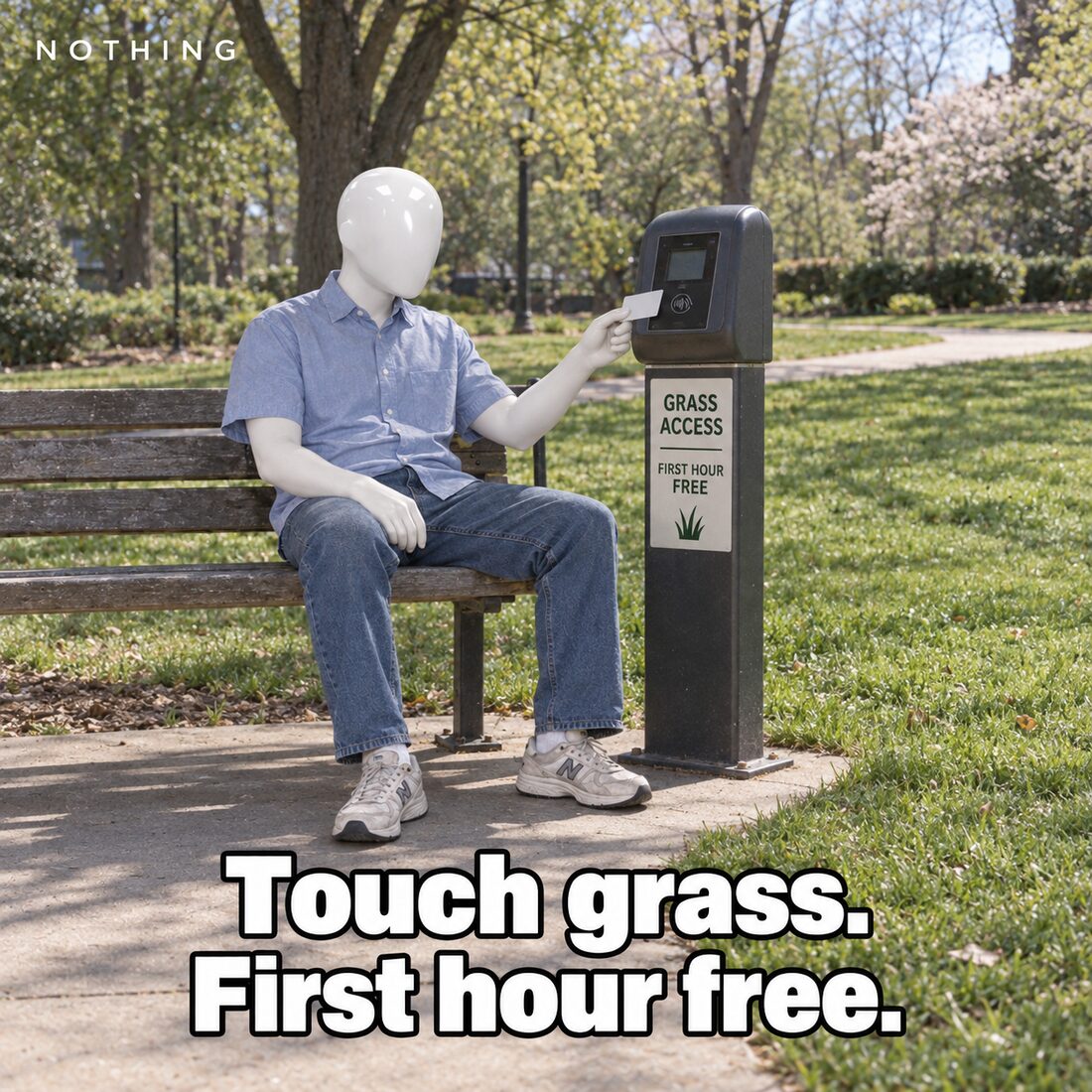
Meme: a faceless mannequin on a park bench taps a payment card on a terminal labeled 'Grass access — first hour free.' Caption: Touch grass. First hour free.
EXHIBIT A · The outdoors, as a service
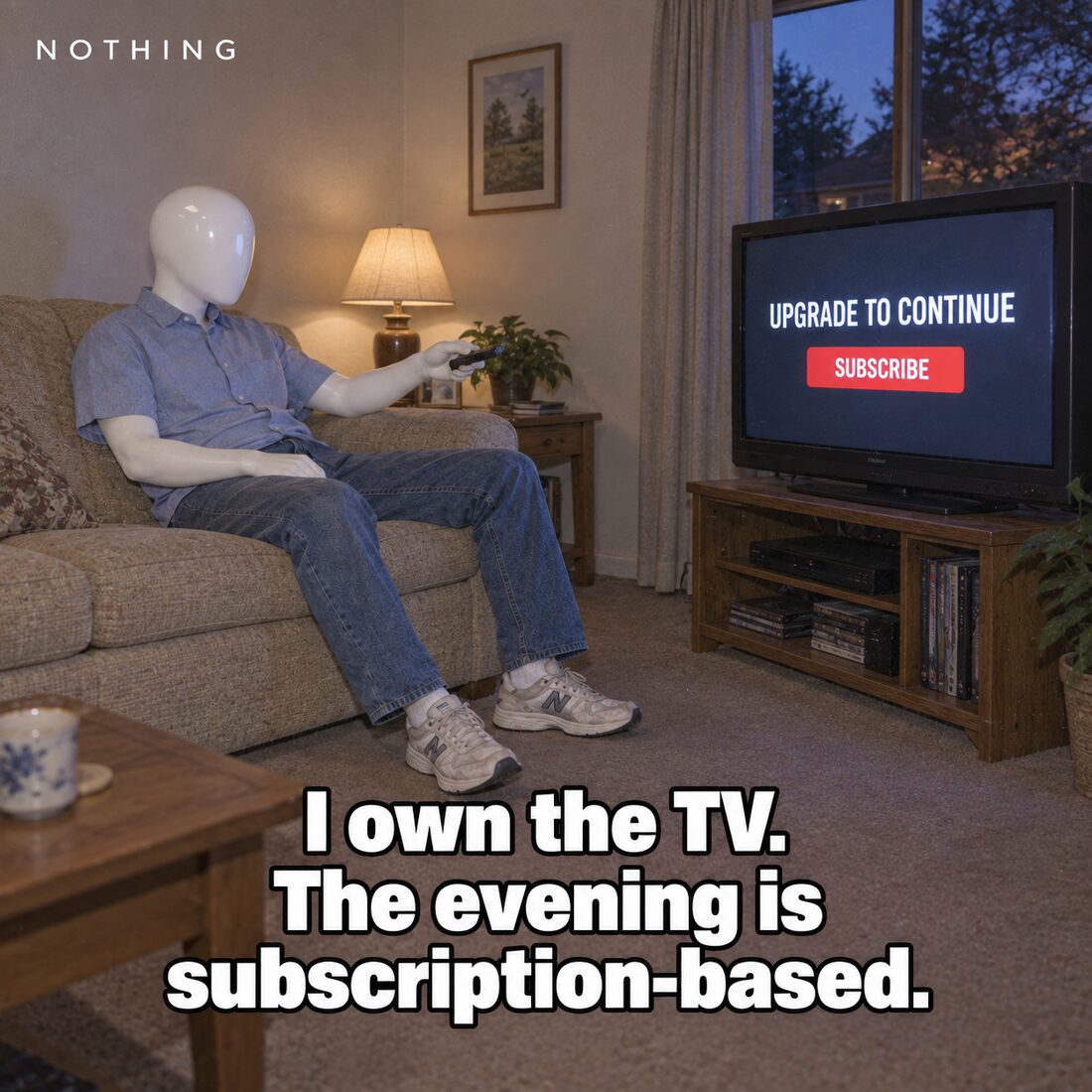
Meme: a faceless mannequin points a remote at a TV showing 'Upgrade to continue — Subscribe.' Caption: I own the TV. The evening is subscription-based.
EXHIBIT B · Hardware yours, evening rented
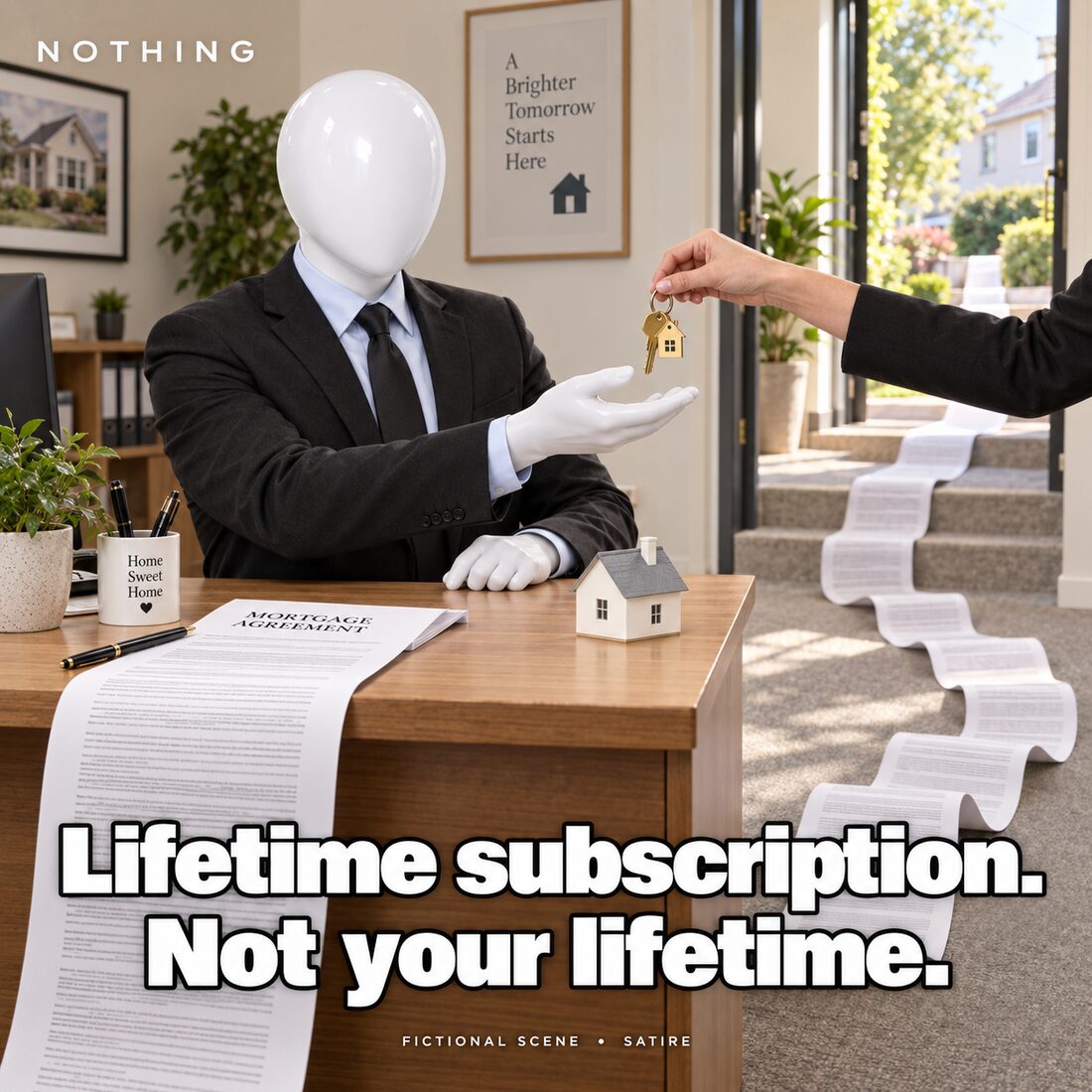
Satirical scene: a faceless mannequin in a suit receives house keys across a desk with a mortgage agreement unrolling endlessly out the door. Caption: Lifetime subscription. Not your lifetime. Labeled fictional scene, satire.
EXHIBIT C · Homeownership (fictional scene)
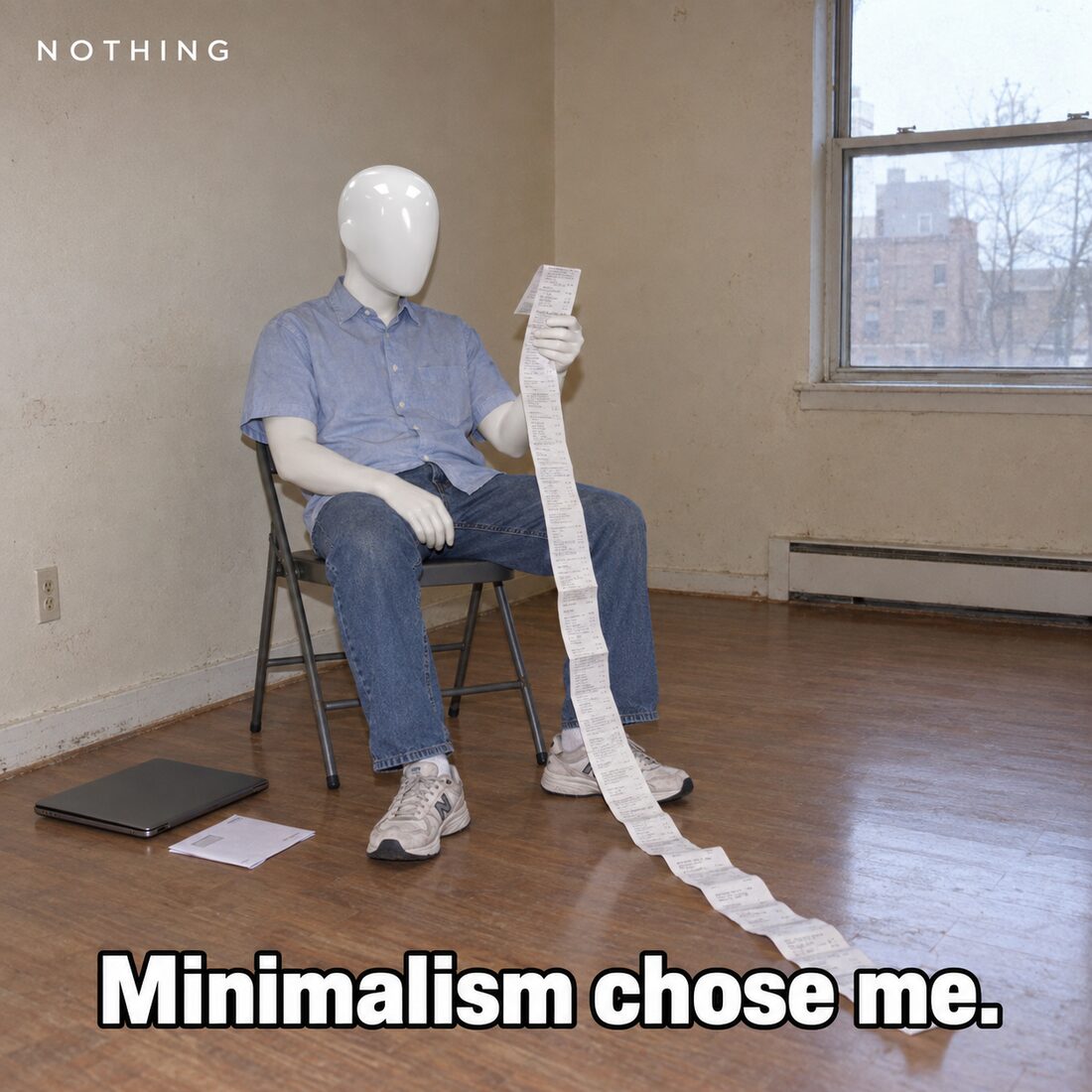
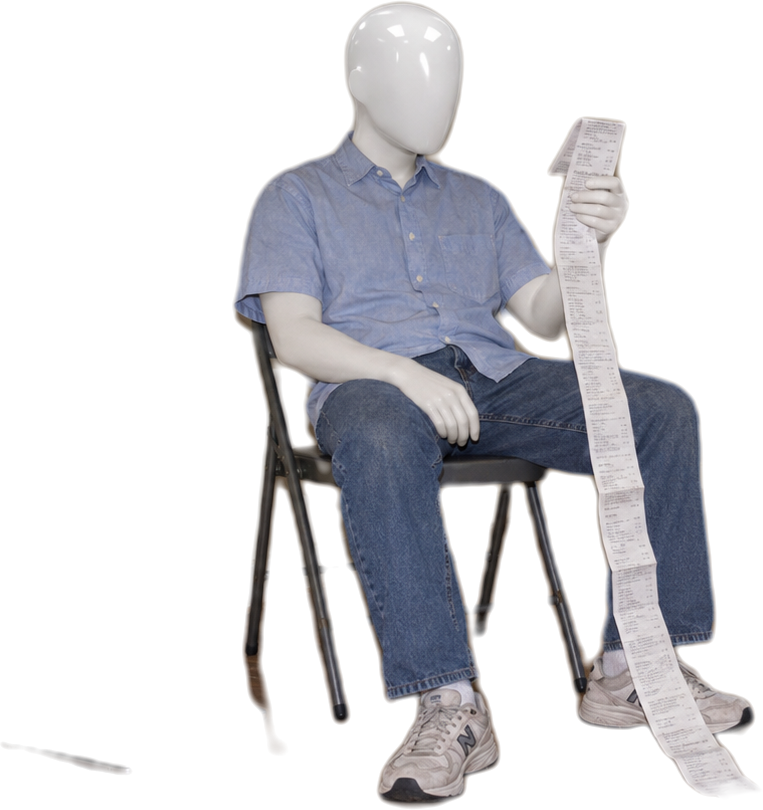
Meme: a faceless mannequin sits on a folding chair in an empty apartment reading a very long receipt. Caption: Minimalism chose me.
EXHIBIT D · Voluntary simplicity, involuntary edition
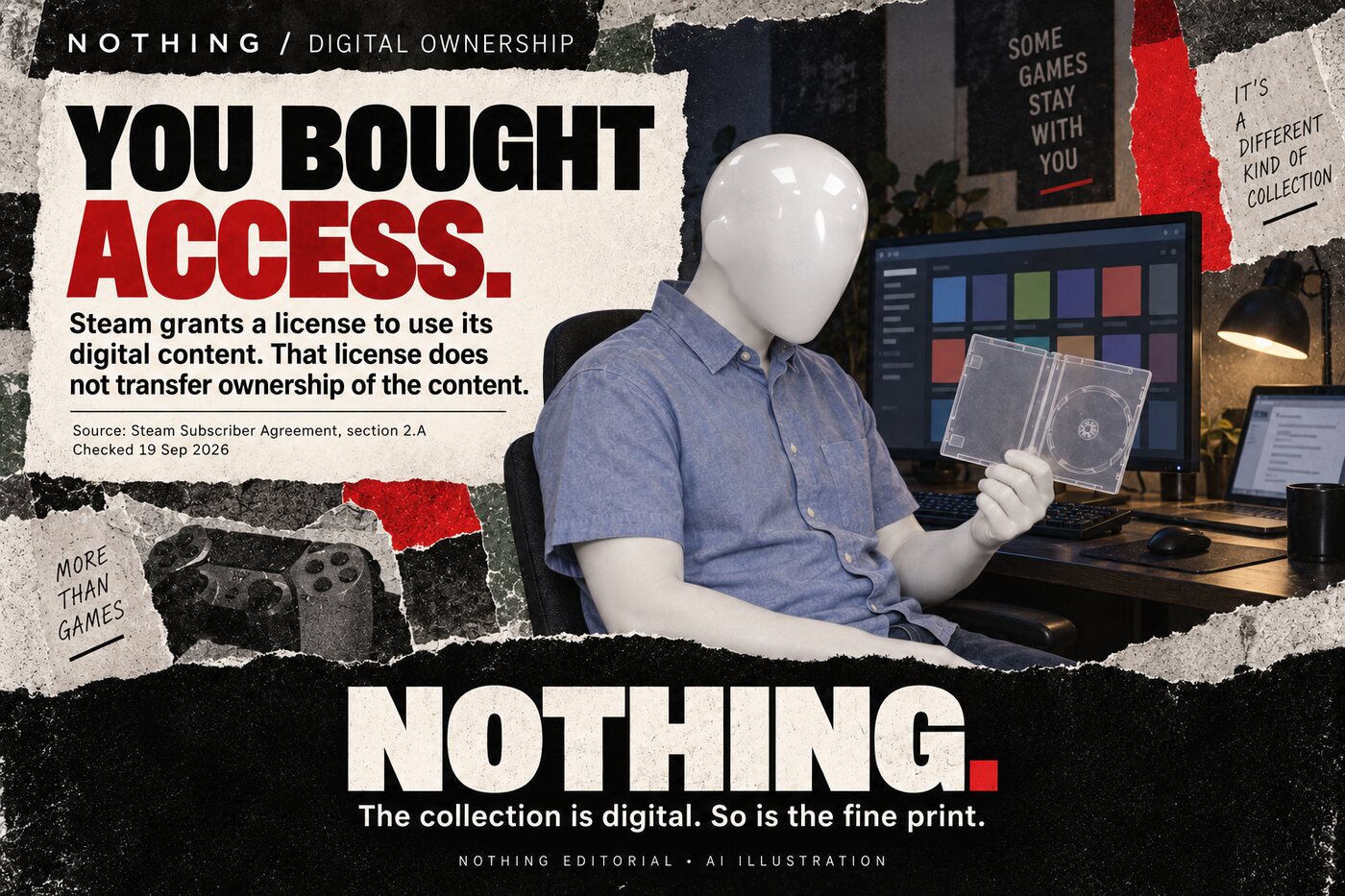
Collage poster: a faceless mannequin at a desk holds an empty disc case in front of a screen of game tiles. Headline: You bought access. Steam grants a license to use its digital content; that license does not transfer ownership. Large wordmark: NOTHING.
EXHIBIT E · The collection is digital. So is the fine print.

Nothing / 05 — The paper trail

Don’t take the mannequin’s word for it

Source summaries, set in the typeface of respectability. Each card names its document and its caveats — the caveats are load-bearing.
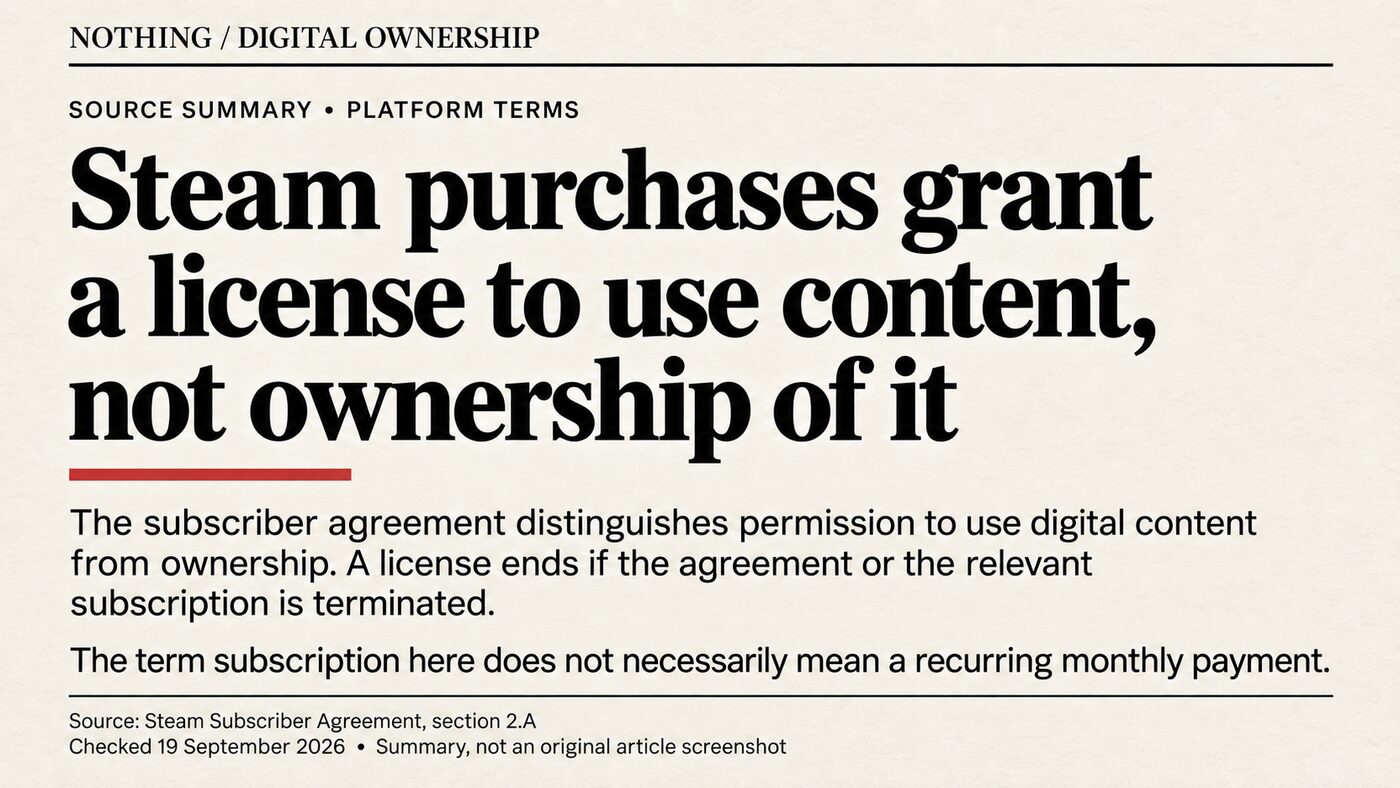
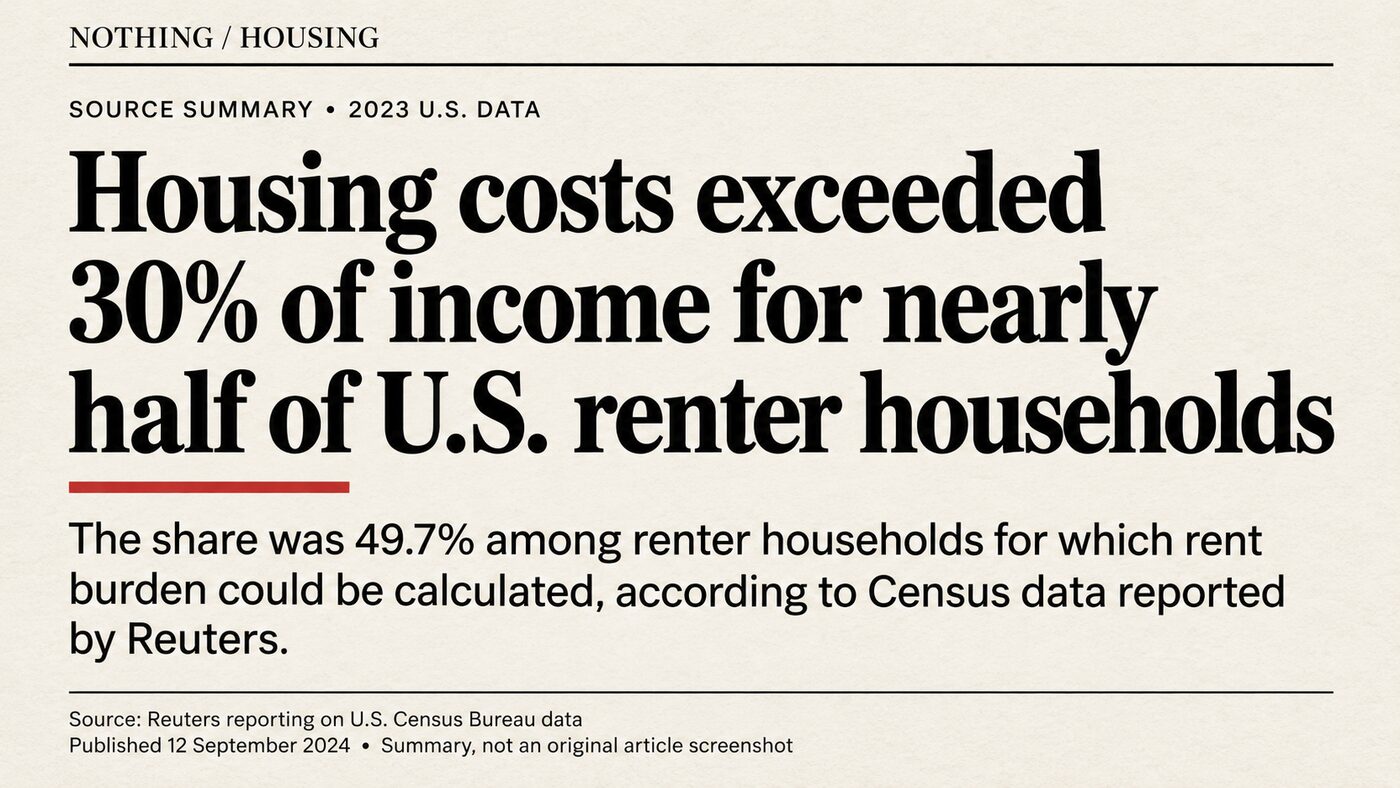
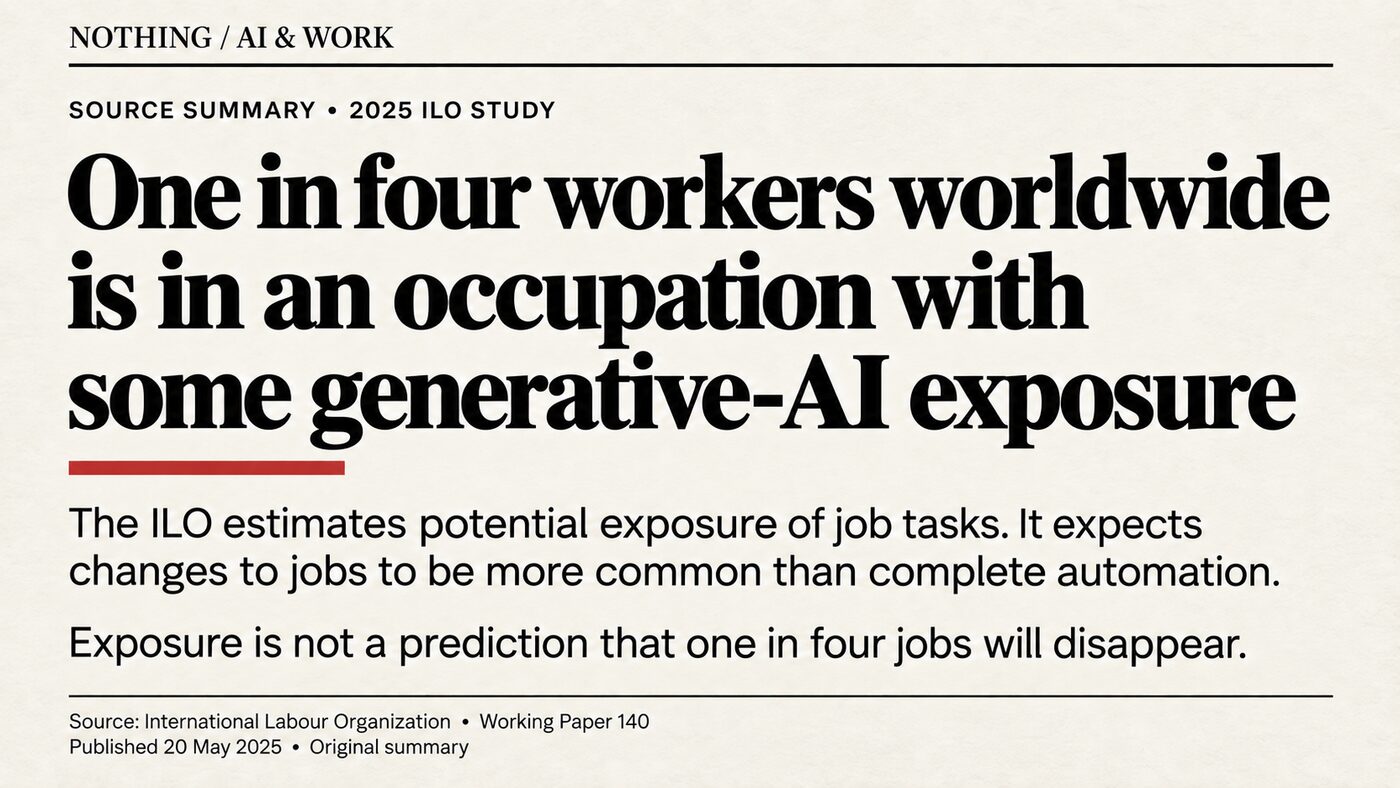
Source summary card: Steam purchases grant a license to use content, not ownership of it. The subscriber agreement distinguishes permission to use digital content from ownership; a license ends if the agreement or subscription is terminated. Source: Steam Subscriber Agreement section 2.A, checked 19 September 2026. Source summary card: Housing costs exceeded 30 percent of income for nearly half of U.S. renter households in 2023 — 49.7 percent of renter households for which rent burden could be calculated, per Census data reported by Reuters, published 12 September 2024. Source summary card: One in five young people was outside work, education or training in 2023. The ILO put the global NEET rate for ages 15–24 at 20.4 percent. A global figure, not U.S.-only; the same report recorded a 15-year low in global youth unemployment. Source: ILO Global Employment Trends for Youth 2024. Source summary card: One in four workers worldwide is in an occupation with some generative-AI exposure. The ILO estimates potential exposure of job tasks and expects changes to jobs to be more common than complete automation; exposure is not a prediction that one in four jobs will disappear. Source: ILO Working Paper 140, May 2025.

Nothing / 06 — The open question

These aren’t doomsday numbers; several come with their own good news attached. They’re warning lights — policy failures and concentrated power leaving people without a visible path to owning anything, and a public quietly hedging with parlays, platforms, and disengagement. Many are accepting the first half of the prophecy. Which leaves the second half:

Will they
be happy?